☕ Not sure which coffee to choose? Find it in 3 questions →
🚚 Free shipping anywhere in Colombia, roasted to order. See roasted coffee →
Skip to main content

Coffee Processes and Innovation: Culturing, Amarena, Rum Barrel and Resistant Varieties
Procesos del Café e Innovación: Culturing, Amarena, Rum Barrel y Variedades Resistentes

The coffee world is going through a quiet revolution. A good bean is no longer enough; the magic now happens in post-harvest processing.

At Green Coffee Shop, we understand both sides of the global coin. On one hand, our experience in the demanding Australian market has taught us that roasters look for consistent profiles but crave disruptive innovation. On the other, we live the reality of Colombia, where producers are turning resistant varieties into sensory works of art through "Culturing" and infusion techniques.

Here we explain the whole spectrum: from the traditional to the most trendy.

1. The Foundations: Washed, Honey and Natural

You have to walk before you run. These are the processes that form the base of the specialty market:

  • Washed: The standard for cleanliness. The pulp and mucilage are removed before drying. The result is bright cups with marked acidity and very clean profiles. Historically the preference for those looking for clarity.
  • Natural (Dry Process): The cherry is dried whole. Fermenting with the skin on, the bean absorbs sugars and intense fruity flavours.
  • Honey: The middle ground. Part of the mucilage (the coffee's "honey") is left on during drying, giving sweetness and body without the fruity punch of a natural.

2. The "Culturing" Revolution and Infused Coffees

This is where we enter expert territory. The global market, especially in forward-looking places like Australia, is asking for new experiences.

What is Culturing?

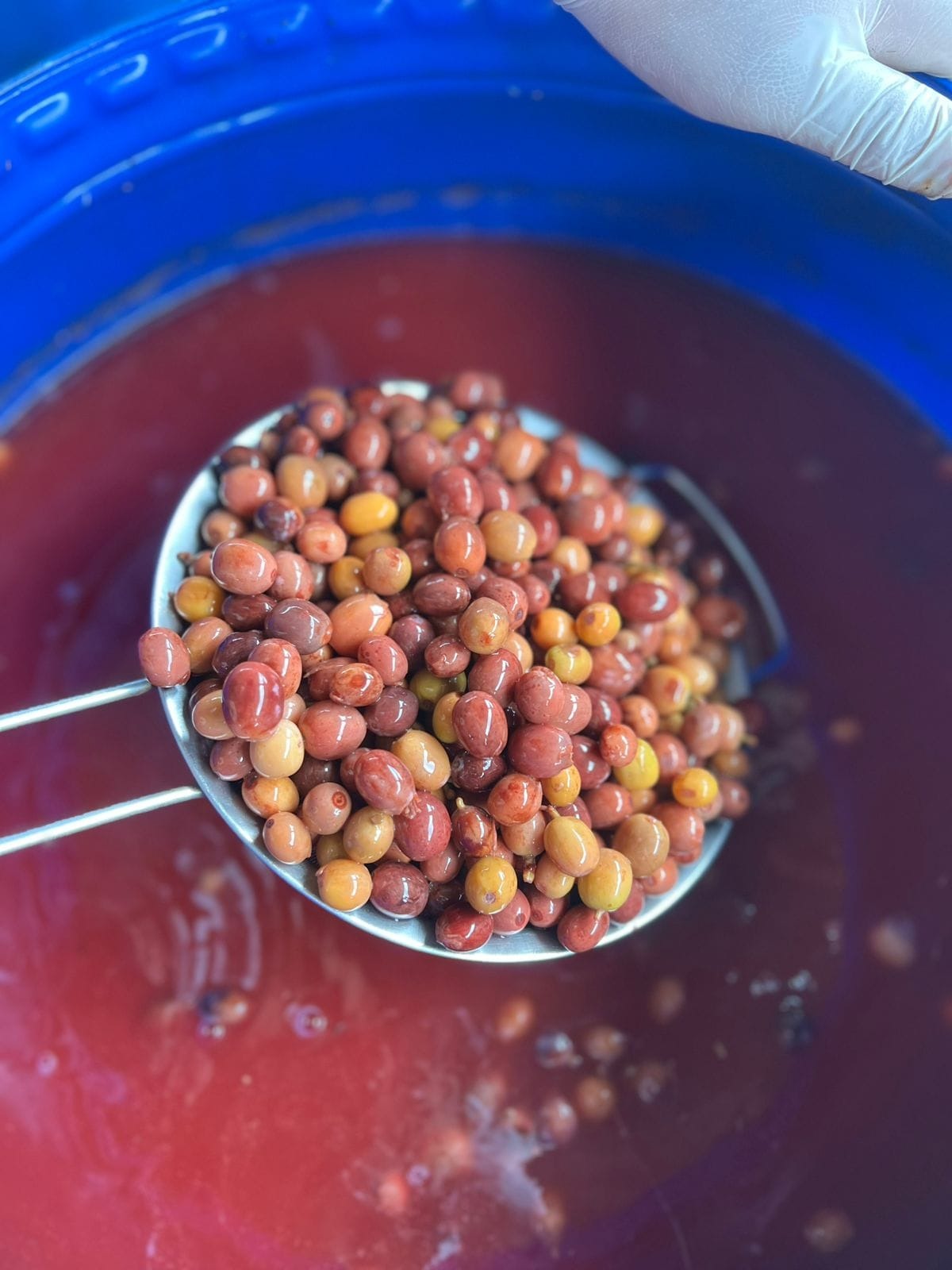
It is an advanced fermentation technique in which starter cultures (specific yeasts or bacteria) or external ingredients are introduced to guide the flavour profile. It isn't artificially flavouring the roasted bean; it is changing the flavour structure from the green-coffee fermentation stage.

Trends we are leading:

  • Rum Barrel, Amarena : In line with the global "No-Lo" drinks trend (non-alcoholic / low-alcoholic). Consumers want the complexity of a liqueur without the alcohol. By ageing or fermenting the coffee in rum barrels, we get notes of molasses, oak and aged liqueur. It's a resounding success in Australian specialty cafés.
  • Exotic Flavours (Ají, Fruit): In Colombia, producers are losing their fear. We have seen lots infused with ají (chilli) for a spicy aftertaste, or co-fermented with tropical fruit (passion fruit, lulo).

3. Australia vs. Colombia: Connecting markets

Our presence on both continents gives us a unique view:

Market What they look for Our Solution
Australia (Consumption) Consistency and Trend. They look for flavours that linger on the palate. They love innovation (like Rum Barrel), but demand a clean profile that can be repeated lot after lot. We offer scientifically controlled processes so that "innovation" is not an accident but a quality standard.
Colombia (Production) Resilience and Creativity. Producers who use varieties resistant to soil diseases (leaf rust, etc.) as a canvas for bold experiments. We support farms that use agronomically strong varieties (Caturra, Castillo, Cenicafé 1) to bring out their flavours through infused processes.

4. The Role of Resistant Varieties

To achieve these exotic flavours (Infused/Culturing), you need a strong "canvas".

Contrary to the myth that only fragile varieties (like Geisha or Bourbon) taste good, in Colombia we have shown that varieties resistant to soil and climate diseases, such as Caturra, Castillo or Cenicafé 1, are perfect for experimental processes.

Why? Because they are beans with excellent physical density and a cell structure able to withstand long fermentations (up to 200 hours) or aggressive infusions without breaking down. This lets the producer take risks in the process, knowing the crop is safe and resilient in the field.


[Discover our collection of Exotic and Experimental-Process Coffees here]

☕ Ready to try these varieties?

The Rum Barrel and Amarena lots are not available right now. Today you can buy the Pink Bourbon Coco Culturing from 1kg with shipping anywhere in Colombia, or message us on WhatsApp.

Buying 5kg or more? Request a quote on WhatsApp →
Try a co-fermented coffee

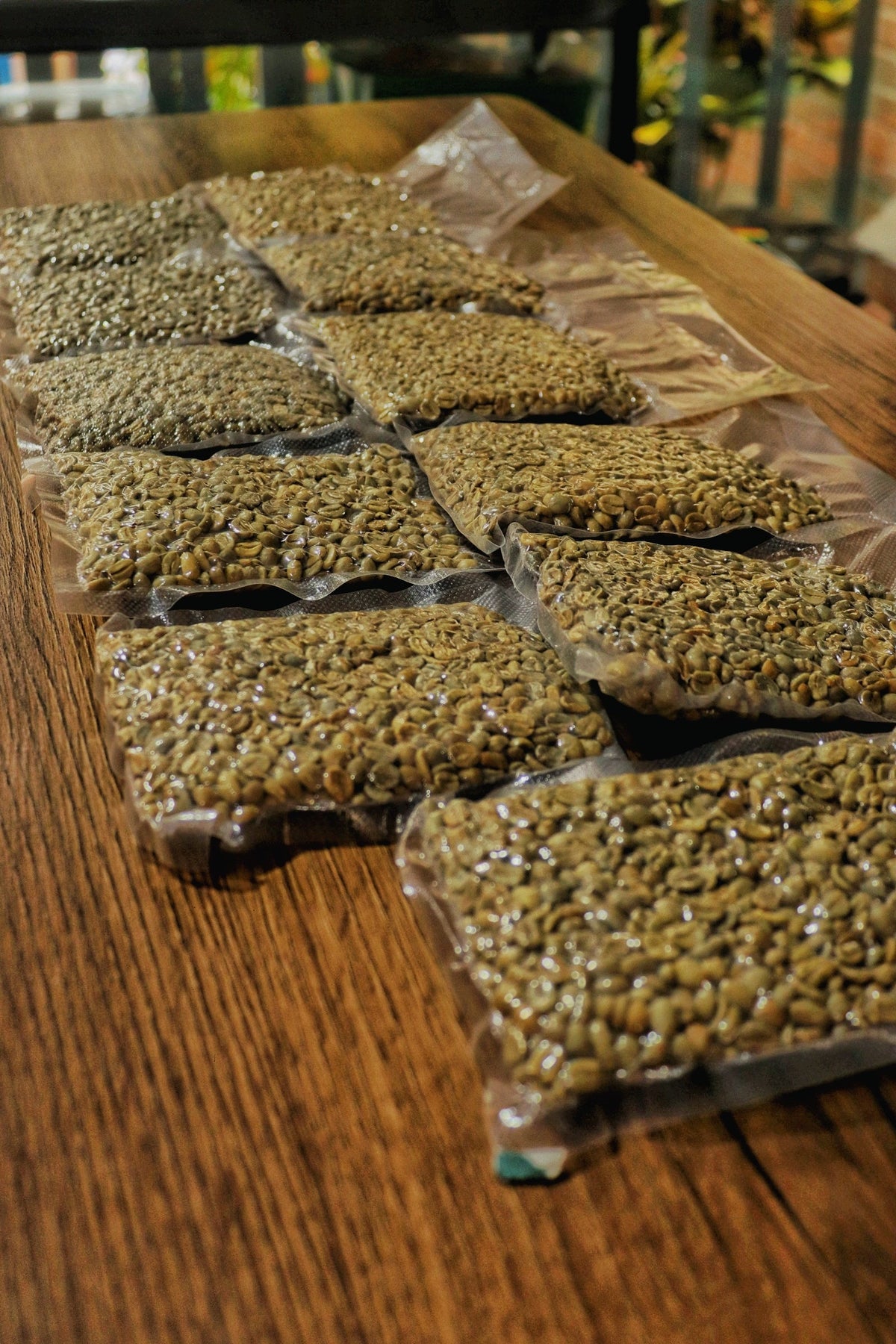
Bourbon Rosado Coco: coconut, white chocolate and caramel, fully traceable, with an SCA score of 87.

🔥 Yield factor: how much coffee your load gives

For roasters, coffee shops that buy green coffee, and coffee growers. Just brewing at home? See what each cup costs you.

Yield factor ("factor de rendimiento"): the kilos of dry parchment coffee needed to get one 70 kg sack of excelso (export-grade green coffee). The lower, the better.

Example: at factor 94, a 125 kg load leaves 93.1 kg of green coffee; at factor 88 it leaves 99.4 kg. That is 6.3 kg more coffee to roast from every load. Read the full explanation

94 is the factor the FNC (Colombian Coffee Growers Federation) reference price is quoted at. If you do not know yours, work it out from a sample (below).
It only changes the example price of the load. Differentiated coffees are negotiated above the base price.
Example. Type the price you are offered or sell at.
What the mill charges to remove the husk ("maquila"). Example.
Farm → mill → your warehouse. Example.
Green coffee you are left with 93.1 kg
Real cost per kilo of green coffee(load + hulling + freight) ÷ kilos of green coffee ...

Do not know your factor? Work it out from a sample
Weigh the sample, hull it, remove the pasilla and defective beans, and weigh what is left. Factor = grams of sample × 70 ÷ grams of sound green coffee. The numbers above are an example.

🌱 What if you buy it already hulled? In our store green coffee comes hulled, selected at factor 88–90: you pay per kilo of coffee you will actually roast, with no hulling and no husk. Today's example: $70.000 per kilo (buying 1 kg); from 5 kg up the price per kilo goes down. See green coffee
🧑‍🌾 Are you a coffee grower? The same sum shows how much green coffee your parchment gives and how much each factor point changes it. I am a grower: I want to sell my coffee

☕ From green kilo to cup: cost, margin and how much coffee you need a month

For coffee shops and roasters. Replace the examples with your own numbers.

Starts with today's price of a green coffee from our store (1 kg). Change it to yours.
The weight coffee loses in roasting (water and chaff). Usually 15–20%.
Gas and power, or what a roaster charges you (toll roasting). Example.
Dose: double espresso, 18 g.
Example. Use the price on your menu.
Example.
Example.
Real cost per roasted kiloWhat each kilo ready to serve really costs you $0
Cost per gram $0
Coffee in each cup $0
Margin per cup(0%) $0
Roasted coffee you need a month 0 kg
Margin for the monthSelling price minus coffee. Before milk, cups, rent and wages. $0

Want these numbers reviewed by a person?
Leave your details and we will write to you with your projection and the coffee that fits it.

Frequently asked questions

What is the coffee yield factor (factor de rendimiento)?
It is the number of kilos of dry parchment coffee needed to get one 70 kg sack of excelso (export-grade green coffee). The lower the factor, the more sound green coffee comes out of each load. At factor 94, a 125 kg load gives about 93.1 kg of green coffee; at factor 88, about 99.4 kg.
How do I work out how much green coffee a load gives?
Kilos of green coffee = 125 kg ÷ factor × 70. The calculator adds what you pay for hulling and freight to the price of the load and divides the total by those kilos: that is your real cost per kilo of green coffee, which is almost always higher than the purchase price divided by 125.
How do I get the yield factor from a sample?
Weigh 250 g of dry parchment, hull it, remove the pasilla (low-grade and defective beans) and weigh the sound green coffee. Factor = 250 × 70 ÷ grams of sound green coffee. Example: 186 g of sound green coffee gives a factor close to 94.
Which is better: buying parchment or green coffee that is already hulled?
With parchment you pay freight and hulling for husk, and if the factor turns out higher than expected you get fewer kilos than you planned. With green coffee that is already hulled you pay per kilo of green coffee: the price you see is for the coffee you are going to roast.
What is the hulling fee (maquila de trilla)?
It is what a mill charges to remove the husk from parchment coffee. It is charged per sack or per load and you pay it even if the yield is low, so it has to be added to the purchase price.
What happens if the factor turns out higher than I planned?
You get less green coffee for the same money. If you buy at factor 94 and the mill gives 98, the load yields 89.3 kg instead of 93.1 kg: almost 4 kg less, and your cost per kilo goes up.
Why does coffee weigh less after roasting?
When it is roasted, coffee loses between 15% and 20% of its weight (water and chaff). If a kilo of green coffee costs $30.000 COP and loses 20%, each roasted kilo costs you $37.500 in coffee alone, because 800 g are left from every green kilo.
What green coffee does Green Coffee Shop sell?
Colombian green coffee that is already hulled, from 1 kg, with the lot sheet (moisture, screen size, SCA score) and the name of the coffee grower. We ship anywhere in Colombia.

Comments

Be the first to comment.
All comments are moderated before being published.
Chat Support

Support
Typically replies within an hour

Hi there 👋

How can I help you?
×