
Commercial vs. specialty coffee: differences and how to choose
By The Green Coffee Shop Colombia team.
Quick answer: To compare commercial coffee and specialty coffee, look at the coffee's attributes, origin information, flavour profile and freshness. Price, bean size or a light roast on their own don't prove quality. Choose a coffee you enjoy and that works with your method.
This guide helps you understand the difference before buying roasted coffee in Colombia, whether you brew at home or serve it in a café.
What is commercial coffee?
In everyday use, commercial coffee usually describes products sold at large scale, with the emphasis on availability, price and consistency. The term covers very different products: quality, roast and origin information depend on each brand. Buying at a supermarket does not by itself determine the coffee's quality.
What is specialty coffee?
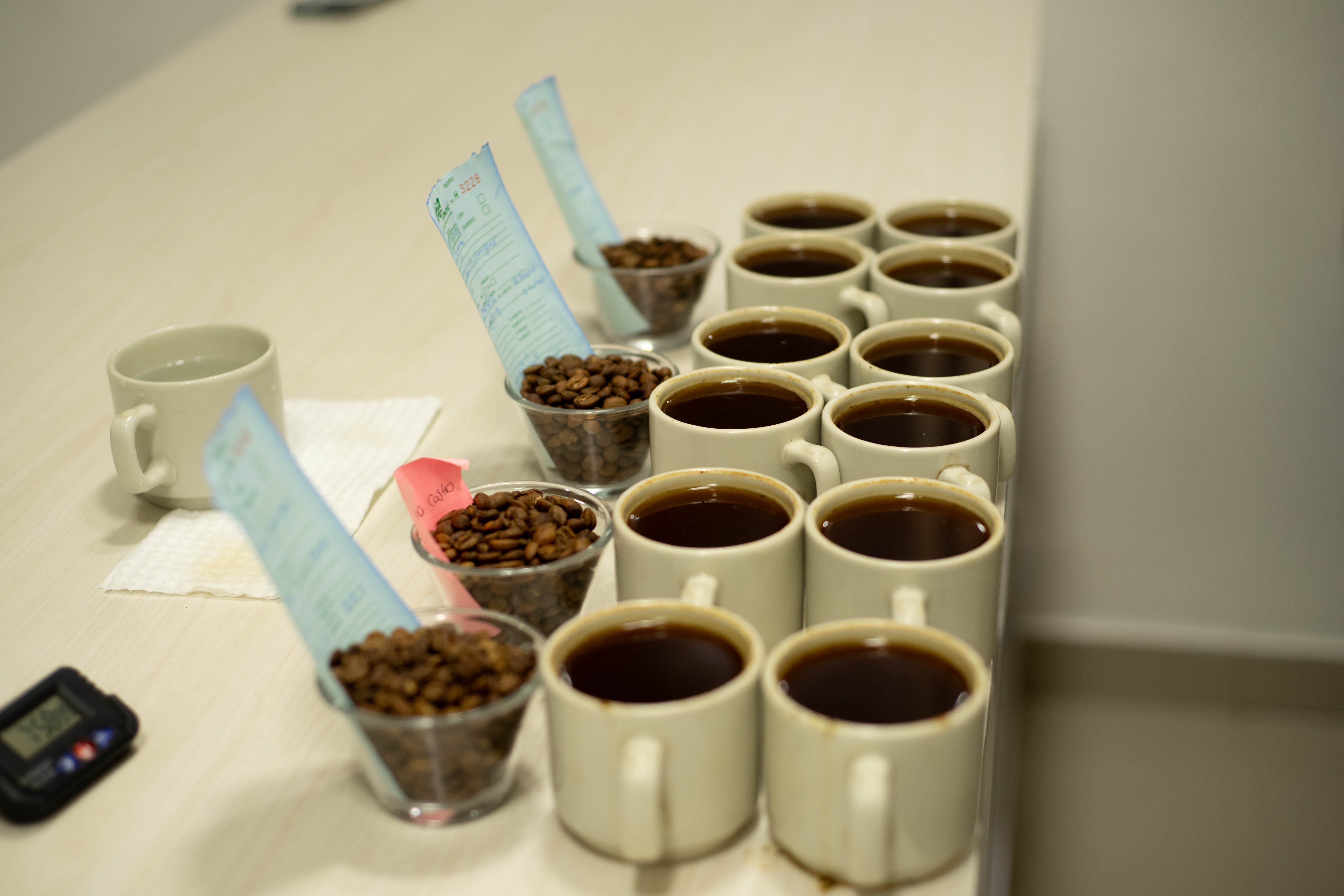
The Specialty Coffee Association links specialty to distinctive attributes that add value to the coffee and to the experience of drinking it. Its definition of specialty coffee offers a broader framework than a single score.
As a buyer, it pays to check the sensory profile, the lot information and the result in the cup. A stated score can add context, but it doesn't replace your preference or guarantee you'll like the coffee. Ask how the lot was evaluated if that information is decisive for you.
Comparison table: what to compare before buying
| Criterion | Commercial coffee | Specialty coffee |
|---|---|---|
| Focus | Availability, price and consistency at scale. | Distinctive quality attributes and experience. |
| Origin | Information may be general; check the label. | Usually gives more detail on region, producer or lot. |
| Flavour | Depends on the beans, the blend, the roast and the brewing. | Sensory descriptors help you choose a profile. |
| Roast | Can be light, medium or dark. | The aim is a profile suited to the coffee and its use. |
| Decision | Compare price, presentation and flavour. | Also compare traceability, freshness and sensory profile. |
Dark roast, blends and single origin: three ideas worth clearing up
A dark roast doesn't prove defects. Colour is a characteristic of the roast; judge the flavour and the product information. Nor does a light roast guarantee a good cup.
A blend can bring together quality coffees. It may aim for a consistent profile for espresso or milk drinks. A single origin can help you explore the character of a region or lot; neither format guarantees quality on its own.
Tasting notes are descriptors. Chocolate, panela or red berries describe perceptions. Check the product sheet to learn the process and whether it declares any added ingredients.
Do single-origin coffee and specialty coffee mean the same thing?
No. Single origin (origen único) describes the coffee's stated provenance, which can be a farm, a cooperative or a region. Specialty refers to distinctive attributes and value. Before buying, check how specific the origin is and what information identifies the lot. A botanical variety on its own doesn't identify a farm.
How to recognise origin roasted coffee with verifiable information
Look for producer, farm or region, process, roast date and lot notes. For example, the sheet for the roasted washed Bourbon Ají from Pitalito, Huila names Robert Rivera and the Villa Vista farm. That information lets you compare a specific provenance, not just the variety. Check the current sheet before buying: lots can change.
What to check when buying specialty coffee online in Colombia?
Confirm the product is roasted, choose whole bean or the right grind, compare the price for the same weight and check availability and shipping cost to your address. The word “premium” on its own tells you less than an origin and brewing sheet.
Which one to choose for home?
- Identify the flavours you enjoy: chocolate and caramel, or fruity and floral profiles.
- Note your method: espresso, moka pot, filter or French press.
- Check the roast date and look up resting and brewing recommendations.
- Buy an amount you can drink regularly.
- If you have a grinder, buy whole bean; if you need it ground, ask for a grind that suits your method.
You can start with the roasted coffee tasting kits. For a more detailed choice, see our guide to choosing specialty coffee.
What should a café compare?
Beyond flavour, assess consistency between deliveries, availability, supplier terms and the cost per dose. Test the coffee with your machine, grinder, water and menu drinks before buying in volume.
A hypothetical 1 kg bag at $80.000 COP, with an 18 g dose, costs $1.440 COP in coffee per drink: $80.000 ÷ 1.000 × 18. It's an example, not a quote; waste, calibration, milk and other costs still need adding. Use the cost-per-cup calculator to explore your own numbers.
Frequently asked questions
Is specialty coffee always acidic?
Not every profile comes across the same way. If you prefer classic flavours, look for descriptors such as chocolate or panela and ask for guidance on the lot.
Do I have to buy an exotic variety?
No. The variety name doesn't replace flavour, the lot's evaluation or how well it suits your method.
Should I buy green or roasted coffee?
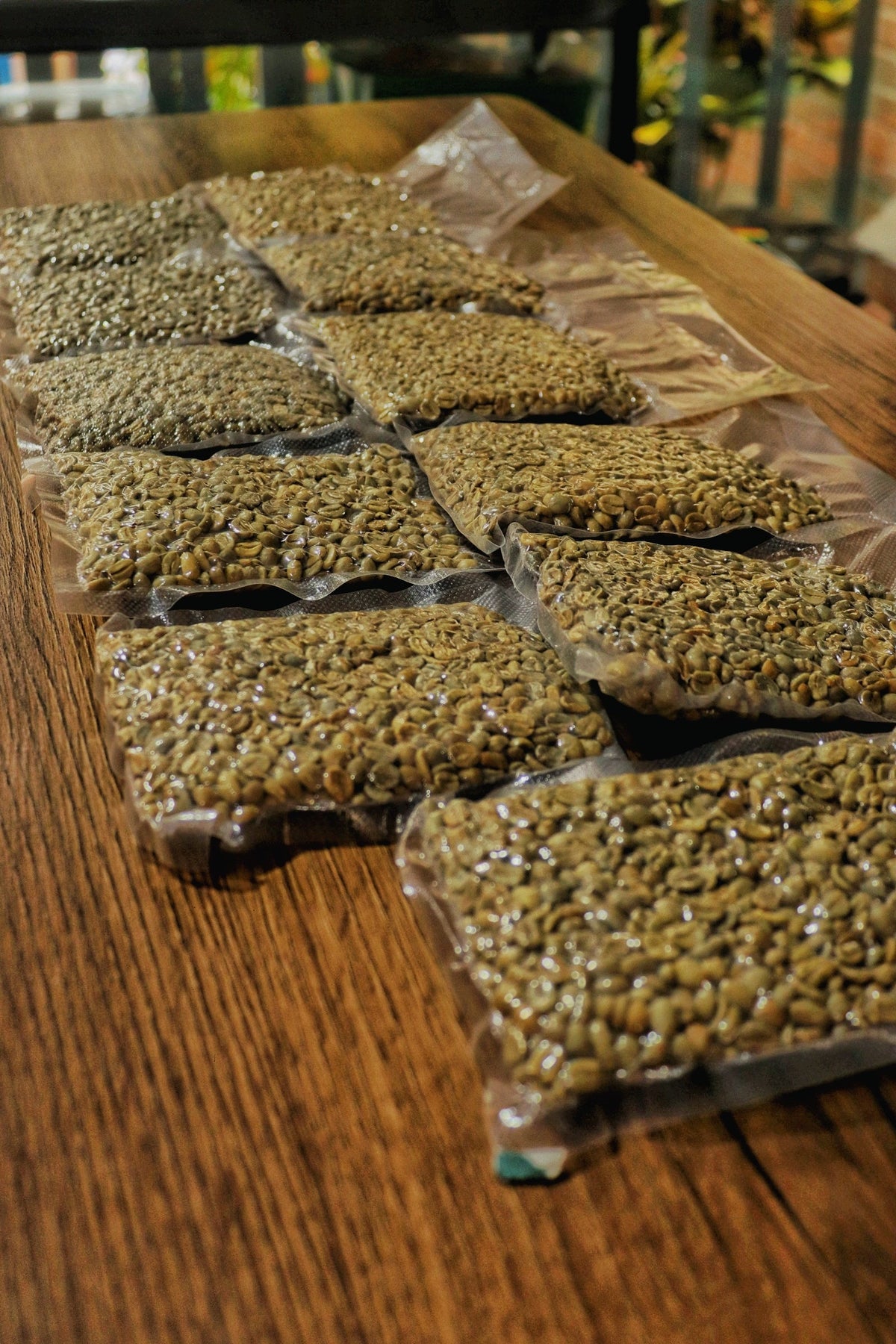
If you're going to brew drinks and don't roast your own coffee, buy roasted. Green coffee has to be roasted before it can be used for everyday coffee drinks.
Try a coffee that suits you
Compare the profiles in the roasted coffee catalogue. If you're buying for a business, see the solutions for cafés and confirm availability, quantities and terms before ordering.


Comments